If you live in Central New Jersey, you already know how brutal the winters can get. One week it’s 50 degrees. The next day, you’re scraping ice off your windshield at 6 AM and wondering why your heating bill jumped $80 out of nowhere. Most homeowners look at their windows, their attic insulation, and maybe even their doors. But the garage? That giant hole in the side of your house? It gets ignored almost every time.
That’s a big ass problem. And insulated garage doors are one of the most practical fixes most NJ homeowners aren’t talking about.
Why Your Garage Door Is Costing You Money This Winter?
Think about the size of your garage door for a second. It’s the largest moving part on your entire home. Normally, it is 8 to 16 feet wide and 7 feet tall. A standard, non-insulated door is basically a thin sheet of steel standing between your living room and the outside air.
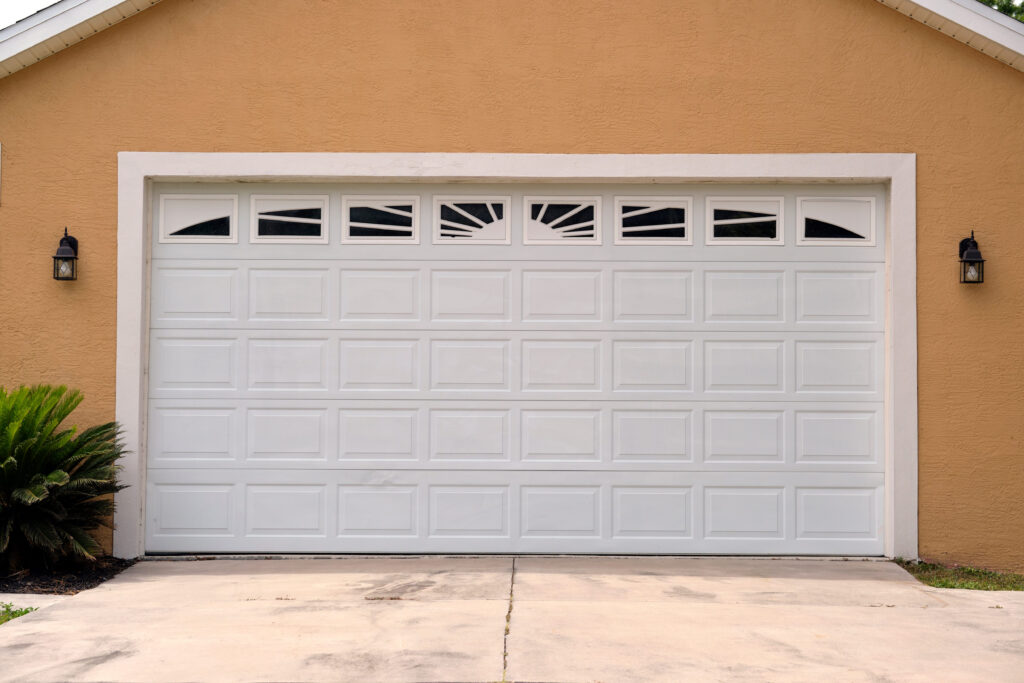
Is Your Garage Door Insulated?
When temperatures drop into the teens, that door does almost nothing to stop the cold. It seeps right through. If you have a bedroom above the garage or a kitchen sharing a wall with it, you’ve probably felt the cold floors, drafty rooms, and a furnace that runs non-stop. Now proper insulation creates a real thermal barrier not a marketing concept, a physical one.
How Insulated Garage Doors Actually Work?
The main idea is simple. Most insulated garage doors are built in two or three layers. The outer and inner skins are almost all the time made of steel or aluminum. Between them, there is a core of either polystyrene or polyurethane foam.
Polystyrene is the more affordable option. It is pressed into panels and works reasonably well in moderate climates. Think of it like rigid foam board, decent but not exceptional.
Polyurethane is the upgrade. It’s injected directly into the door cavity. It strongly bonds with both steel skins and fills every gap. It delivers a higher R-value per inch and also adds structural rigidity. So the door is less likely to dent when your kid’s soccer ball makes contact.
The number that you need to know when comparing doors is the R-value. This measures thermal resistance. The higher it goes, the less heat escapes through the door. A minimum of R-10 to R-13 is recommended for the cold and harsh Central NJ winters. Premium doors go up to R-18. That range gives you some serious protection during a January cold snap without overspending on more insulation than you need.
One thing homeowners often overlook is that insulation inside door panels is only part of the job. Weatherstripping at the bottom sides and top of the door frame is just as important. A high R-value door with worn-out seals still leaks air. Replace these seals every few years to keep the system working properly.
What to Look for When Choosing a Door?
Shopping for garage doors is confusing if you haven’t done it before. Here’s what to actually focus on.
- R-value of R-10 or higher: R-13 to R-16 is a solid middle ground for most homes.
- Polyurethane foam: Over polystyrene if durability and maximum thermal performance matter to you.
- Full perimeter weatherstripping: Ask specifically about bottom seals and side stops.
- Steel gauge: Lower gauge numbers mean thicker steel. 24-gauge is a reasonable standard.
- Windows: They look great but they reduce the door’s thermal performance. If energy savings are the priority, go window-free or use insulated glass units only.
Professional installation matters too. A door installed with gaps, misaligned tracks, or a poorly fitted frame wastes the insulation you paid for. This isn’t a project where cutting corners makes sense.
Ready to Upgrade? APR Garage Doors Can Help
The team at APR Garage Doors can assess your current garage door, recommend the right insulation level for your home’s layout, and handle the installation correctly from day one. No guessing at R-values. No gaps in the weatherstripping. Just a door that does its job.
Contact APR Garage Doors today to schedule a free consultation and find out what the right upgrade looks like for your home.
Conclusion
Central NJ winters are not mild. They’re cold, damp, and long, and your home’s energy system feels every degree of it. Most homeowners have already tackled the obvious stuff like the attic insulation, window caulking, and programmable thermostats. The garage door is the upgrade that still gets overlooked, and it’s one of the most impactful ones left on the table.
If you’re in Central NJ and the garage is the one thing you haven’t addressed yet, this winter is a good time to change that.
FAQ
What R-value do I need for a garage door in Central NJ?
For Central New Jersey winters, aim for at least R-10. Most homeowners get the best balance of cost and performance at R-13 to R-16. If your garage shares walls or a ceiling with living space, go higher.
Does an insulated garage door really lower heating bills?
Yes, in attached garages, the door directly affects the temperature of adjacent rooms. Reducing heat transfer through the door lowers how hard your furnace has to work, which shows up on your monthly bill.
How long does a new insulated garage door last?
Most quality insulated doors last 15 to 30 years with regular maintenance. The exact lifespan depends on factors like usage, weather conditions, and the quality of installation. Doors in harsher climates or with heavy daily use may wear out faster, while well-maintained doors with proper sealing and lubrication, along with occasional part replacement, tend to last longer.
Is polyurethane better than polystyrene insulation?
Yes, polyurethane is better than polystyrene insulation. It does cost more but performs better in extreme cold and adds more rigidity to the door.
Can I add insulation to my existing garage door?
Yes, but they are a partial fix, as they add some thermal value but don’t match the performance of a factory-insulated door. Insulation added to the existing garage door is less effective in terms of air sealing and structural strength.